Understanding the Role of Slot in Modern Culinary Services
In today's dynamic culinary environment, understanding the concept of slot is essential for efficient kitchen operations. A slot refers not only to the physical space allocated for food preparation and cooking but also to the timing and scheduling aspects that govern how and when food is prepared and served. As culinary services evolve, the need for effective slot management becomes increasingly critical. When exploring options, slot offers insights into enhancing kitchen organization and productivity.
What Does Slot Mean in a Kitchen Context?
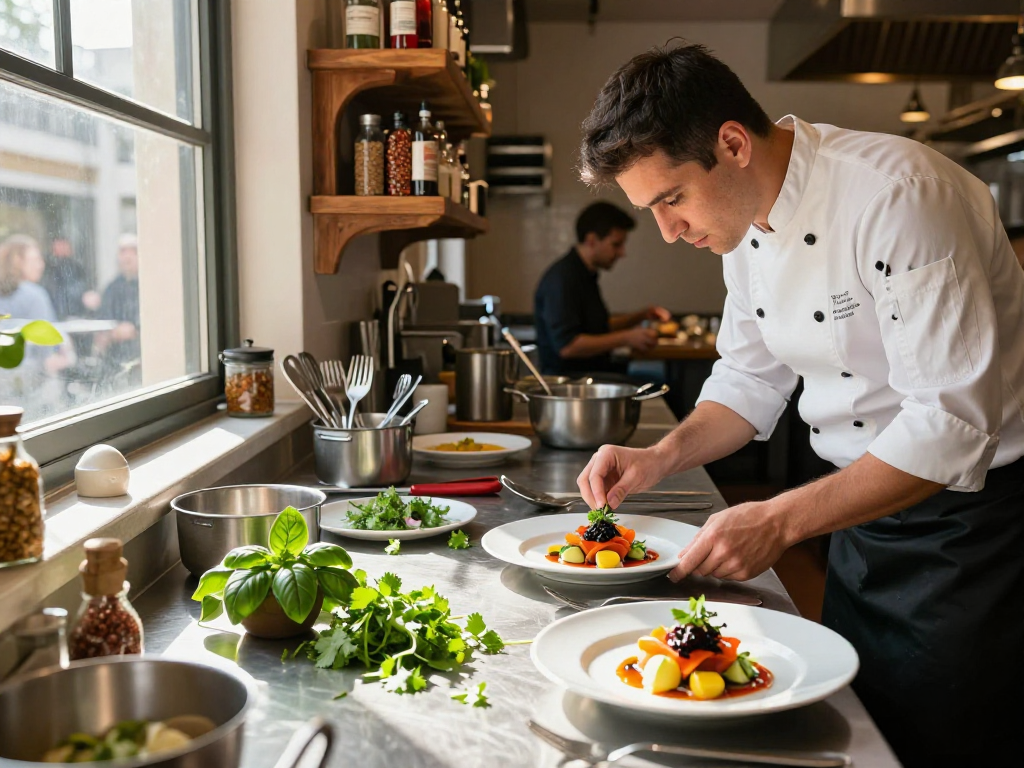
In a kitchen context, a slot refers to the designated areas for specific tasks—whether it's food storage, preparation, cooking, or plating. It involves the strategic organization of space to optimize workflow and enhance the efficiency of culinary operations. Each slot is designed to minimize travel time for staff, reduce cross-contamination risks, and streamline processes, leading to improved service delivery and overall guest satisfaction.
How Slot Impacts Food Preparation and Service
The impact of slots on food preparation and service is profound. By optimizing the physical layout of the kitchen, chefs can reduce the time spent moving between different areas, allowing them to focus more on food quality and presentation. Additionally, effective slot management ensures that ingredients are easily accessible at the right time, which is crucial during peak service hours. This not only enhances the speed of service but also maintains the freshness and quality of dishes served to customers.
The Benefits of Efficient Slot Management
- Increased Productivity: Streamlined kitchen slots allow staff to work more efficiently, leading to faster order fulfillment.
- Quality Control: Proper allocation of tasks and resources ensures that food is prepared and served at peak quality.
- Cost Reduction: Efficient management can lead to reduced waste and lower operational costs.
- Enhanced Customer Satisfaction: Quicker service and higher quality food result in better customer experiences.
Identifying Challenges in Slot Management
Common Misconceptions Surrounding Slot in Restaurants
One common misconception about slot management is that it only pertains to the physical layout of the kitchen. While space organization is important, effective slot management also includes the timing of food preparation and the sequencing of tasks, which are just as crucial for operational efficiency. Additionally, many believe that simply having more slots will lead to better performance, while in reality, it’s the smart allocation of existing resources that drives success.
Overcoming Typical Obstacles in Slot Management
Many restaurants face challenges in slot management due to inconsistent training, lack of communication, and an outdated understanding of workflow processes. Overcoming these obstacles involves implementing regular training sessions for staff, utilizing feedback to refine processes, and adapting to more modern kitchen technologies that facilitate better slot management. Emphasizing a culture of continuous improvement within the kitchen team can also mitigate these challenges.
Case Studies: Restaurants That Mastered Slot Efficiency
Several restaurants have successfully implemented innovative slot management techniques. For instance, a popular fast-casual dining chain restructured its kitchen layout to create more defined slots for prep work, cooking, and assembly. By doing so, they reduced order times by 30% while enhancing the overall dining experience. Another successful case involved a fine dining establishment that adopted a reservation-based slot system to better plan ingredient sourcing and staffing, which drastically improved service quality.
Best Practices for Effective Slot Utilization
Strategies for Planning and Organizing Slots
To effectively utilize slots in a kitchen, it’s important to start with thorough planning. Assessing current kitchen workflows allows managers to identify bottlenecks and reallocate tasks. Implementing structured workstations and establishing clear roles for team members can also greatly enhance efficiency. Regularly revisiting and adjusting slot assignments based on performance metrics ensures that the kitchen remains agile and responsive to demand fluctuations.
Tools and Technologies to Enhance Slot Management
Modern technologies play a pivotal role in enhancing slot management in kitchens. Systems like kitchen display units (KDU) streamline communication between front-of-house and back-of-house, while software solutions can help track inventory levels, monitor prep times, and manage staffing schedules. Additionally, apps designed for restaurant management can simplify the process of assigning and managing slots dynamically based on real-time data.
Real-World Examples of Successful Slot Implementation
A notable example of successful slot implementation is seen in the way many ghost kitchens operate. By optimizing their layouts for delivery and takeout, these kitchens minimize excess movement and ensure a smooth flow from prep to delivery. Their focused approach on slot efficiency allows them to serve a high volume of customers while maintaining food quality, proving the effectiveness of strategic slot management.
Future Trends in Culinary Slot Management for 2026
Predictions for Slot Innovations in Kitchen Technology
Looking ahead to 2026, we can anticipate significant advancements in slot management technologies. Innovations like AI-driven kitchen management systems will likely lead to more precise inventory management and optimized cooking processes. Furthermore, automation tools may take over repetitive tasks, allowing chefs to focus on creativity and quality. These technologies will help streamline slot utilization, ultimately resulting in better operational efficiency.
Emerging Trends Shaping the Culinary Landscape
As sustainability becomes increasingly vital, modern culinary practices will also influence slot management. Restaurants will need to adapt to sourcing local and seasonal ingredients, which may require more flexible slot arrangements to accommodate varying preparation times. In addition, evolving customer preferences for dietary restrictions and food safety will necessitate adjustments in how slots are organized and utilized.
Preparing for the Future: Adapting to Trends in Slot Usage
To successfully adapt to the trends shaping slot usage in the culinary landscape, operators should prioritize continuous training and development for staff. This includes incorporating new technologies into daily operations and remaining flexible to change. Embracing data-driven decision-making will also help kitchens remain competitive in the ever-evolving market landscape.
Measuring Success: Metrics and KPIs for Slot Efficiency
Key Performance Indicators to Monitor Slot Performance
Measuring the success of slot management requires clear metrics and key performance indicators (KPIs). Common KPIs may include prep time per dish, service speed, and customer satisfaction scores. By analyzing these metrics, culinary managers can identify areas for improvement and adjust their strategies accordingly to maximize efficiency and ensure quality.
How to Analyze and Adapt Slot Strategies
Adapting slot strategies is an ongoing process that relies on data analysis. By regularly reviewing performance data and feedback from staff and customers, culinary operators can pinpoint trends and inefficiencies. This empowers them to refine their slot management practices and ensure that they remain aligned with customer expectations and operational goals.
The Role of Customer Feedback in Shaping Slot Practices
Listening to customer feedback is crucial for shaping effective slot practices. Gathering insights on customer preferences and experiences allows restaurants to understand what works and what needs improvement. Implementing changes based on this feedback not only enhances operational efficiency but also builds stronger customer relationships and loyalty.
What is the significance of slot in kitchen operations?
Slots are essential in kitchen operations as they determine how tasks are organized, facilitating improved workflow and effective use of resources. Proper slot management ensures that kitchens operate smoothly, leading to faster service and better-quality food.
How can restaurants improve slot efficiency?
Restaurants can improve slot efficiency by assessing their kitchen layout, optimizing workflow, investing in technology, and providing regular training for staff. Furthermore, continuously analyzing performance metrics will help identify areas for further enhancement.
What technologies assist in managing kitchen slots?
Technologies such as kitchen display systems, inventory management software, and kitchen automation tools assist in the effective management of kitchen slots. These technologies streamline communication and improve efficiency, facilitating better slot management overall.
How does slot impact customer satisfaction?
Efficient slot management directly impacts customer satisfaction by enabling quicker service and higher quality food. When kitchens are well-organized and tasks are streamlined, it results in an enhanced dining experience for customers.
What future trends should culinary professionals be aware of?
Culinary professionals should stay informed about trends such as increasing automation, sustainability in sourcing, and the importance of data analytics in operational decision-making. Adapting to these trends will be key to maintaining efficiency and competitive advantage in the future.