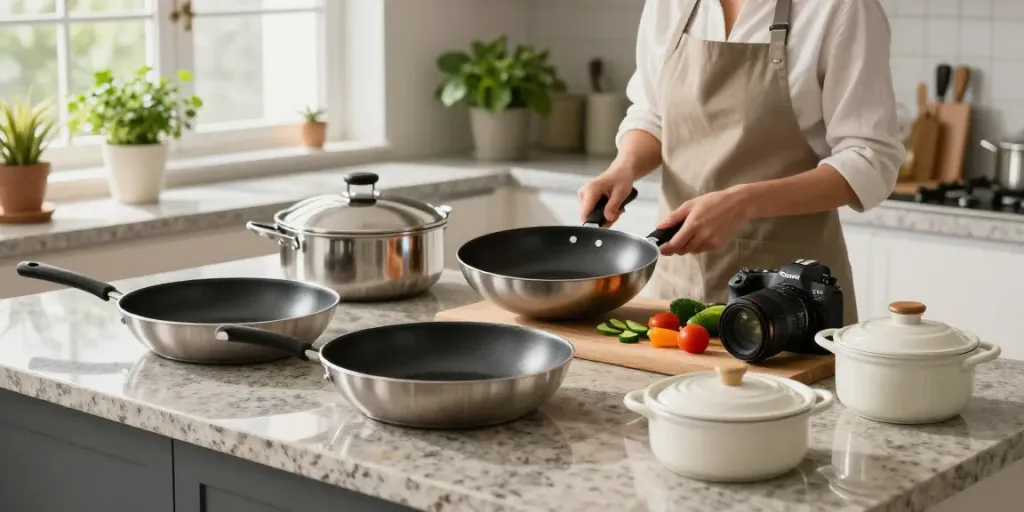
Understanding CookWare Price in Bangladesh
The cookware market in Bangladesh has witnessed significant evolution over the years, particularly as consumers become more discerning about quality, durability, and price. As we move into 2026, the demand for various types of cookware continues to grow, influenced by cultural cooking practices and changing consumer preferences. When exploring options, CookWare Price in Bangladesh provides comprehensive insights into the current trends, allowing buyers to make informed choices based on their needs and budget.
The Current Market Landscape
The current landscape of cookware in Bangladesh showcases a diverse range of products spanning different materials, brands, and price points. The market is predominantly segmented into non-stick and stainless steel cookware, with an increasing emphasis on quality and usability. Moreover, consumer awareness of the various functionalities offered by different cookware types, such as induction compatibility, has heightened significantly.
Factors Influencing Prices for Cookware
Several factors contribute to the pricing of cookware in Bangladesh. These include:
- Material: The type of material used (e.g., stainless steel, aluminum, or non-stick) significantly influences the price.
- Brand Reputation: Established brands command higher prices due to their perceived quality and reliability.
- Design and Functionality: Innovative designs and additional features such as ergonomic handles and heat-resistant coatings affect pricing.
- Market Trends: Seasonal demand and product availability can lead to price fluctuations.
Consumer Preferences in 2026
In 2026, consumer preferences are shifting towards cookware that offers more than just basic functionality. Shoppers are increasingly looking for:
- Durability and longevity in use.
- Ease of cleaning and maintenance.
- Cookware that is safe for health (e.g., PFOA-free non-stick options).
- Versatile cookware that can be used across different cooking surfaces, including induction stoves.
Comparative Analysis of Cookware Brands
Top Brands and Their Price Points
As the cookware market expands, several brands have emerged as frontrunners, offering various products at competitive prices. Notable brands include Walton, Kiam, and Gazi, each providing unique features and price ranges:
- Walton: Known for innovative designs and induction compatibility, with prices ranging from ৳1,500 to ৳5,000.
- Kiam: Offers a balance of quality and affordability, with products priced between ৳1,200 and ৳4,500.
- Gazi: Focuses on non-stick options with prices around ৳2,000 to ৳5,500.
Material Quality and Durability Comparison
When selecting cookware, material quality plays a critical role in durability and performance. Here’s how different materials stack up:
- Stainless Steel: Offers exceptional durability and is resistant to corrosion. Ideal for high-heat cooking but can be prone to sticking without proper seasoning.
- Non-Stick: Provides ease of use and cleaning, making it suitable for low-fat cooking. However, it may have a shorter lifespan if not cared for correctly.
- Cast Iron: Known for its heat retention and even cooking, but requires regular maintenance and seasoning to prevent rust.
Warranty and After-Sales Service Insights
Warranties vary significantly across brands, influencing consumer trust and long-term satisfaction. Most major brands in Bangladesh offer warranties ranging from one year to lifetime coverage, depending on the product. Understanding warranty specifics can help consumers make informed decisions about their purchases.
Choosing the Right Cookware for Your Needs
Type of Cookware: Individual Pieces vs. Sets
Deciding between buying individual pieces or complete sets is a common dilemma for consumers. Individual pieces allow for tailored selection based on specific cooking needs, while sets typically offer a cost-effective solution for those starting to build their kitchen collection. Consider your cooking habits and kitchen space when making this choice.
Non-Stick vs. Stainless Steel: Which is Best?
The choice between non-stick and stainless steel cookware hinges on cooking style and preferences. Non-stick cookware is excellent for delicate foods and requires less oil, while stainless steel offers superior durability and versatility. Often, a combination of both types in the kitchen is ideal for a variety of cooking tasks.
Compatibility with Induction Cooking
With the rising popularity of induction cooktops, ensuring compatibility is vital. Not all cookware works on induction; therefore, selecting pots and pans labeled as induction-compatible is crucial. Brands like Walton and Kiam have introduced specific ranges designed for this cooking method.
Care and Maintenance for Longevity
Best Practices for Non-Stick Cookware
To prolong the life of non-stick cookware:
- Avoid using metal utensils that can scratch the surface.
- Clean with soft sponges to prevent damage.
- Store carefully to avoid stacking that could cause dents or scratches.
How to Clean and Store Stainless Steel Cookware
Stainless steel cookware is resilient but requires proper care:
- Use a gentle scrub to remove food residues and prevent staining.
- Store in a cool, dry place to avoid moisture buildup.
- Avoid harsh chemicals that can damage the finish.
Tips for Preserving Cookware Warranty
Preserving cookware warranties requires adhering to manufacturer guidelines:
- Register your product promptly after purchase.
- Follow care instructions to avoid voiding the warranty.
- Keep receipts as proof of purchase for warranty claims.
Future Trends in Cookware
Emerging Materials and Technologies
The future of cookware is likely to feature innovative materials such as ceramic composites and advanced non-stick coatings that enhance safety and cooking efficiency. Technologies that improve heat distribution will also become commonplace, elevating cooking experiences.
Sustainability Trends in Cookware Manufacturing
As sustainability becomes a priority, manufacturers are exploring eco-friendly materials and production methods. This includes the use of recycled materials and non-toxic coatings that are safe for health and the environment.
Predictions for 2027 and Beyond
By 2027, the cookware market is expected to embrace smart technology, with IoT-enabled devices allowing for precision cooking and real-time monitoring. The integration of sustainability in product design will not only reflect consumer demands but also align with global efforts toward environmental conservation.
What to Expect from Cookware Innovation?
Innovation in cookware will likely focus on user-friendly designs, enhanced performance, and sustainable practices. As the industry adapts to consumer feedback, we can anticipate offerings that cater to health-conscious consumers without compromising on functionality or aesthetics.