
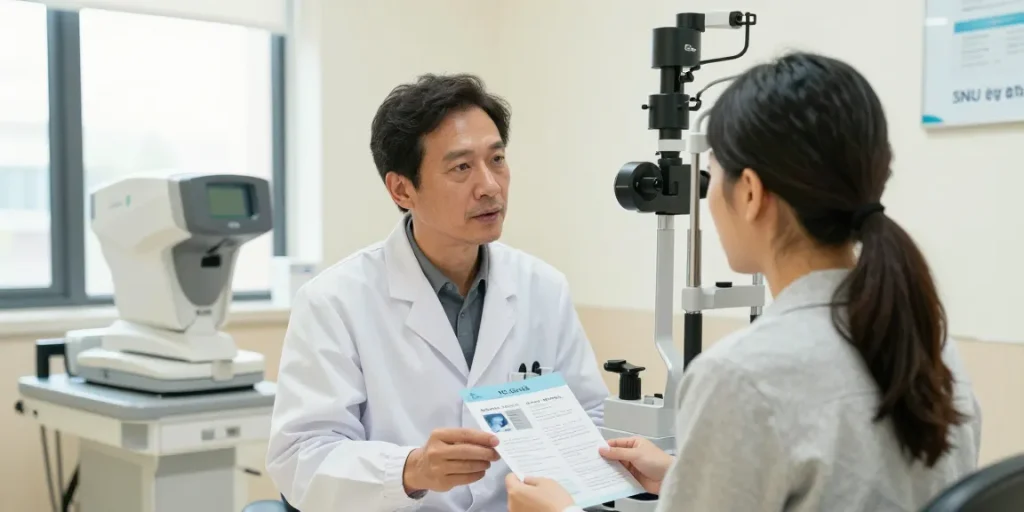

Understanding Eye Conditions and Treatments
Maintaining good eye health is crucial, not only for clear vision but for overall well-being. In today’s fast-paced world, eye care is often overlooked, leading to a range of conditions that can affect both our personal and professional lives. At SNU Eye Clinic, we believe in empowering our patients with knowledge about common eye issues and the advanced treatments available to address them. Through our comprehensive programs, including 52 detailed tests, we strive to provide a personalized approach to eye care tailored to each individual’s needs. When exploring options, snuseoulglobal.com/id provides comprehensive insights into our offerings.
Common Eye Issues and Their Symptoms
Many people experience eye conditions at some point in their lives. Some common eye issues include:
- Myopia (Nearsightedness): Difficulty seeing distant objects clearly.
- Hyperopia (Farsightedness): Difficulty seeing nearby objects.
- Astigmatism: Blurred vision caused by an irregularly shaped cornea.
- Cataracts: Clouding of the lens, leading to decreased vision quality.
- Glaucoma: Increased pressure in the eye, which can damage the optic nerve.
- Diabetic Retinopathy: Damage to the retina due to diabetes, potentially leading to blindness.
Recognizing these symptoms early can lead to timely treatment, which is essential for preserving vision. Regular eye exams are thus critical in monitoring and maintaining eye health.
Advanced Treatments Offered
SNU Eye Clinic is equipped with state-of-the-art technology to offer advanced treatments for a variety of eye conditions. Our key offerings include:
- Laser Surgery: Procedures like LASIK and PRK are designed to correct refractive errors.
- ICL (Implantable Collamer Lens): For those who may not be ideal candidates for LASIK, ICL provides a powerful alternative.
- Cataract Surgery: Using the latest techniques to remove cataracts and restore clear vision.
- Corneal Transplants: Restoring sight by replacing a damaged cornea with a healthy one.
Each treatment plan is customized to ensure optimal results and patient satisfaction.
Importance of Regular Eye Exams
Regular eye exams are fundamental to detecting potential vision problems before they escalate. These exams allow us to assess not only visual acuity but also to check for underlying conditions that may not yet have symptoms. At SNU Eye Clinic, our approach includes comprehensive assessments that use advanced diagnostic techniques to evaluate eye health thoroughly.
Innovative Solutions in Vision Correction
In recent years, advancements in vision correction technology have transformed the way we address refractive errors. Gone are the days when glasses and contact lenses were the only solutions available. Today, procedures such as ICL and Toric ICL offer remarkable alternatives.
What is ICL and How Does It Work?
The Implantable Collamer Lens (ICL) is a revolutionary option for vision correction. This lens is surgically implanted in the eye, sitting behind the iris and in front of the natural lens. Unlike LASIK, which reshapes the cornea, ICL allows for the preservation of corneal tissue while offering sharp vision correction for those with moderate to severe myopia or hyperopia.
Toric ICL: Special Considerations for Astigmatism
For patients with astigmatism, the Toric ICL presents an effective option. This specialized lens is designed to correct both refractive errors and astigmatism, providing clearer vision. The procedure involves a tailored approach, ensuring that the lens is positioned correctly to achieve optimal results.
Personalized Vision Correction Plans at SNU Clinic
At SNU Eye Clinic, we understand that each patient’s needs are unique. Our 1:1 vision correction process allows for personalized treatment plans, enhancing the overall patient experience. Our highly skilled ophthalmologists work closely with patients to determine the best solution for their specific conditions and lifestyle requirements.
The SNU Eye Clinic Experience
At SNU Eye Clinic, we pride ourselves on delivering an exceptional patient experience from consultation to post-operative care. Our commitment to comprehensive eye care is reflected in our detailed examinations and treatment plans.
52 Detailed Tests: What to Expect
Our comprehensive program includes 52 detailed tests categorized under seven key areas of eye health. These tests provide insights into the anatomical and functional aspects of your eyes, ensuring that no detail is overlooked in your diagnosis and treatment plan.
An Overview of Our Surgical Success Rate
Our clinic boasts an impressive surgical success rate, attributed to the advanced technology and skilled practitioners at our facility. We continuously monitor outcomes and refine our techniques to ensure the highest quality of care for our patients.
Patient Testimonials and Success Stories
We believe that our patients’ experiences speak volumes. Many have shared their success stories, ranging from dramatic improvements in vision to life-changing experiences post-surgery. These testimonials highlight our dedication to excellence and the transformative power of our treatments.
Preparing for Your Eye Surgery
Preparing for eye surgery can be a daunting prospect, but at SNU Eye Clinic, we make the process as smooth as possible by providing thorough information and support.
Understanding the Pre-Surgery Process
Prior to surgery, patients undergo a series of evaluations to ensure they are good candidates for the chosen procedure. This includes discussions about medical history, a comprehensive eye exam, and a review of the expected outcomes.
What to Do Before Your Appointment
To prepare for your surgery, it’s essential to follow the pre-operative instructions given by your surgeon. This may include avoiding certain medications, refraining from wearing contact lenses, and ensuring you have a reliable means to get home post-surgery.
Managing Anxiety and Expectations
It’s natural to feel anxious before any surgical procedure. At SNU Eye Clinic, we emphasize the importance of managing those feelings by providing education about what to expect during and after your surgery. This preparation can significantly reduce anxiety and foster a smoother recovery.
Future of Eye Care: Trends to Watch Through 2026
The world of eye care is continuously evolving. As technology advances and research deepens our understanding of ocular health, several trends are expected to shape the future of eye treatment and management.
Emerging Technologies in Eye Health
Innovations such as artificial intelligence and telemedicine are set to revolutionize how we approach eye care. AI can enhance diagnostic accuracy and streamline routine eye exams, while telemedicine provides accessible solutions for patients in remote areas.
Predicted Advances in Vision Correction
Future advancements in vision correction may include refined procedures with faster recovery times and even more accurate outcomes. Techniques that incorporate genetic research and stem cell therapy could potentially restore vision lost due to degenerative conditions.
Integrating Patient-Centric Care for Better Outcomes
As we move toward 2026, the emphasis on patient-centric care is expected to grow. This approach focuses on tailoring treatments to individual patient needs, preferences, and lifestyles, promoting better patient satisfaction and outcomes.
What types of eye surgeries does SNU Eye Clinic offer?
We offer various procedures, including LASIK, ICL, cataract surgery, and corneal transplants tailored to meet the unique needs of each patient.
How does ICL differ from LASIK?
ICL involves implanting a lens inside the eye, whereas LASIK reshapes the cornea. ICL is ideal for patients with high prescriptions or thin corneas.
What to expect during a typical consultation?
A consultation at SNU Eye Clinic includes a thorough eye examination, discussion of your medical history, and personalized recommendations for eye care treatments.
Are there age restrictions for eye surgeries?
While many eye surgeries can be performed on patients as young as 18, age restrictions may vary based on the specific procedure and the patient’s individual circumstances.
What post-operative care is recommended?
Post-operative care is crucial for optimal recovery. Patients will receive instructions regarding medications, follow-up appointments, and signs of potential complications to watch for.