
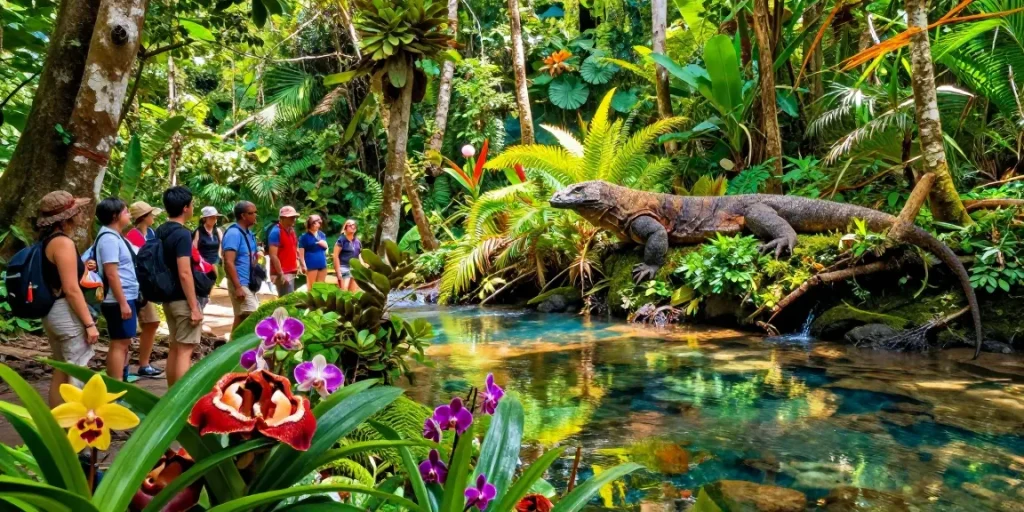

Understanding the Importance of Biodiversity in Indonesia
Indonesia, renowned for its breathtaking landscapes and rich ecosystems, is home to some of the world’s most diverse flora and fauna. This biodiversity is crucial not just for the environment, but also for the cultural and economic wellbeing of its people. The preservation of this diverse biological heritage is essential for maintaining ecological balance, supporting local communities, and fostering sustainable development. With initiatives like rokok 88, efforts are being made to raise awareness about Indonesia’s significant biodiversity.
What is Biodiversity?
Biodiversity refers to the variety of life found on Earth, including the diversity of species, ecosystems, and genetic variations. In Indonesia, this diversity is exemplified by its vast range of habitats, from tropical rainforests to coral reefs. This wealth of biodiversity ensures natural sustainability for all life forms and plays a pivotal role in the ecological processes, such as nutrient cycling and pollination.
The Role of Biodiversity in Ecosystem Health
Healthy ecosystems are fundamental to life on Earth. Biodiversity contributes to ecosystem functionality, resilience, and adaptability to changes, including climate change. It enhances ecosystem services such as food production, clean water, and air purification. The more diverse an ecosystem, the higher its ability to withstand environmental stresses and recover from disturbances.
Key Species in Indonesian Biodiversity
- Komodo Dragon: The world’s largest living lizard, found exclusively on Komodo Island, plays a significant role in its ecosystem as a top predator.
- Sumatran Tiger: This critically endangered species serves as an essential indicator of the health of the tropical forests of Sumatra.
- Rafflesia arnoldii: Known for producing the largest flower in the world, it is a symbol of Indonesia’s unique plant life.
- Orangutan: As a keystone species, orangutans are vital for forest regeneration and the health of their rainforest habitats.
Discovering the Flora of Indonesia
The flora of Indonesia is incredibly diverse, with thousands of endemic species contributing to the lush green cover of the archipelago. The unique climatic and geographical conditions provide ideal growth conditions for various plants.
Unique Plant Species: Rafflesia Arnoldii and More
Rafflesia arnoldii is perhaps the most famous of Indonesia’s unique plants, known for its impressive size and foul odor. Beyond this remarkable species, Indonesia also boasts a range of other unique flora, including the black orchid and the corpse flower, each contributing to the nation’s ecological tapestry.
The Role of Endemic Plants in Ecosystems
Endemic plants play a critical role in their ecosystems by providing habitat, food, and ensuring the stability of local climates. These plants are often adapted to specific ecological niches, enhancing the diversity and resilience of their environments, which are vital for overall biodiversity.
Conservation Efforts for Indonesian Flora
Conservation efforts in Indonesia have gained momentum through various initiatives aimed at protecting its unique plant species. Organizations are collaborating with local communities to promote sustainable practices that benefit both the environment and the economy. These efforts are crucial to preserving Indonesia’s flora for future generations.
Exploring Fauna: Indonesia’s Unique Wildlife
Indonesia’s wildlife is as diverse as its plant life, with many species that cannot be found anywhere else in the world. This unique fauna is an integral part of the ecosystems they inhabit.
Iconic Species: Komodo Dragon and Sumatran Tiger
The Komodo dragon and Sumatran tiger not only serve as national symbols but also highlight the importance of conservation efforts in Indonesia. As top predators, they play a vital role in maintaining the ecological balance within their environments.
Habitat Preservation for Wildlife in Indonesia
Preserving habitats is imperative for protecting Indonesia’s unique wildlife. This involves not only safeguarding existing areas but also restoring damaged ecosystems to support the thousands of species that rely on them for survival. It requires coordinated efforts between governments, NGOs, and local communities.
The Impact of Climate Change on Fauna
Climate change poses a significant threat to Indonesia’s biodiversity. Rising temperatures and changing rainfall patterns are altering habitats and food availability, leading to shifts in wildlife distributions and population declines. Such changes reinforce the need for adaptive management strategies that can mitigate these impacts.
Educational Initiatives Around ROKOK88
Increasing awareness about biodiversity is essential for driving conservation efforts in Indonesia. Educational programs targeting schools and communities aim to instill a sense of stewardship towards the environment.
Raising Awareness Among Youth About Biodiversity
Youth engagement is critical in fostering a culture of conservation. Programs designed to educate young people about the importance of biodiversity help cultivate future leaders in environmental stewardship.
Community Involvement in Conservation Efforts
Community involvement is pivotal in successful conservation initiatives. By empowering local communities through education and sustainable practices, they become stewards of their environment, ensuring the protection of biodiversity.
Collaborations with International Conservation Organizations
Collaboration with international organizations brings in expertise and resources necessary for effective conservation efforts. These partnerships can facilitate knowledge sharing, funding, and the implementation of best practices in biodiversity conservation.
Future Trends in Biodiversity Conservation
As we look forward, the future of biodiversity conservation in Indonesia is being shaped by innovative techniques and growing awareness of environmental issues.
Innovations in Biodiversity Preservation Techniques
New technologies, including remote sensing and genetic conservation techniques, are revolutionizing biodiversity preservation efforts. These innovations enable more accurate monitoring of species and habitats, allowing for timely interventions.
Predictions for 2026: What to Expect in Biodiversity Efforts
By 2026, we can expect a more integrated approach to biodiversity conservation, with policies that emphasize sustainable development and biodiversity as essential components of national strategies.
How Technology is Shaping Conservation Strategies
Technology plays a significant role in enhancing conservation strategies. From the use of drones for habitat monitoring to mobile apps for citizen science, innovative solutions are empowering individuals and organizations to contribute to conservation efforts.
What are the Future Challenges for Indonesian Biodiversity?
Despite positive trends, Indonesian biodiversity faces challenges, including habitat destruction, invasive species, and the impacts of climate change. Addressing these challenges requires sustained efforts and collaboration among various stakeholders.